



Marriage is one of the most important decisions a Muslim will make. Islamic pre-marital counselling helps couples prepare for this lifelong commitment by strengthening their understanding of marriage, improving communication, and learning the rights and responsibilities of both spouses.
What Is Pre-Marital Counselling?
Pre-marital counselling is a process that helps couples understand the realities of marriage before making a lifelong commitment. Rather than focusing only on the wedding, it prepares both individuals for married life by discussing expectations, responsibilities, communication, finances, family relationships, and shared values.
Islamic pre-marital counselling follows the same objective while placing the guidance of the Qur’an and Sunnah at its centre. Instead of relying solely on modern relationship advice, it combines practical discussions with authentic Islamic teachings to help couples establish a marriage that pleases Allah and benefits both spouses.
Takeaway: Islamic pre-marital counselling prepares couples for married life by combining honest, practical discussion with authentic guidance from the Qur’an and Sunnah.
Why This Guide Matters
Many marital difficulties begin because important conversations never happened before the Nikah. Couples may assume they share the same expectations about finances, family life, children, or religious practice, only to discover significant differences after marriage.
This guide brings together the essential knowledge every Muslim couple should understand before marriage. By addressing common questions, misconceptions, and practical challenges, it helps couples make informed decisions and prepare for a stronger future together.
Who This Guide Is For
This guide is written for anyone who wants to prepare for marriage according to Islamic teachings. It is suitable for engaged couples, individuals considering marriage, parents supporting their children, converts to Islam, and anyone seeking a better understanding of what makes an Islamic marriage successful.
Even those who have been married before may benefit from revisiting the foundations of marriage. Learning from previous experiences and strengthening Islamic knowledge can help build healthier relationships in the future.
Why Preparing for Marriage Is Important
Preparing for marriage is about far more than organising a wedding. It involves developing the knowledge, character, and understanding needed to fulfil your responsibilities as a husband or wife while building a peaceful and loving home.
The Prophet ﷺ said:
“The best of you are those who are best to their wives.”— Jami’ al-Tirmidhi 3895
This Hadith reminds Muslims that a successful marriage depends on good character, kindness, and mutual respect. These qualities are developed through learning and sincere effort before marriage, not afterwards.
Takeaway: Preparing for marriage means building the character and understanding needed to fulfil your responsibilities, not simply organising a wedding.
The Purpose of Pre-Marital Counselling
The purpose of pre-marital counselling is to help couples understand the realities of married life before making a lifelong commitment. It encourages honest discussions about expectations, communication, finances, family responsibilities, and future goals so that both partners enter marriage with clarity and confidence.
Islamic guidance also helps couples recognise that marriage is not simply about compatibility or emotions. It is a partnership built upon faith, patience, compassion, and mutual responsibility, where both spouses strive to support one another in this life and the Hereafter.
How Islamic Pre-Marital Counselling Differs from General Relationship Counselling
General relationship counselling often focuses on emotional wellbeing, communication techniques, and conflict management. While these topics are valuable, Islamic pre-marital counselling also draws guidance from the Qur’an and the Sunnah, ensuring that practical advice aligns with Islamic principles.
It explores topics such as the purpose of marriage, the rights and responsibilities of spouses, Mahr, family relationships, and the spiritual dimensions of married life. This faith-based approach helps couples make decisions that strengthen both their marriage and their commitment to Islam.
Is Pre-Marital Counselling Encouraged in Islam?
Although there is no specific obligation requiring Muslims to attend pre-marital counselling, Islam strongly encourages seeking beneficial knowledge before making important life decisions. Marriage is one of the greatest commitments a person can make, so preparing for it wisely reflects Islamic values.
Allah says in the Qur’an:
“Ask those who possess knowledge if you do not know.”— Surah An-Nahl 16:43
Seeking guidance before marriage demonstrates humility, responsibility, and a sincere desire to build a relationship according to the teachings of Islam.
Takeaway: Pre-marital counselling is not obligatory, but seeking beneficial knowledge before marriage reflects wisdom, humility, and sincere Islamic values.
What Does Islam Say About Preparing for Marriage?
Islam encourages Muslims to prepare for marriage with sincerity, knowledge, and careful consideration. Rather than entering marriage based solely on emotions or social expectations, believers are encouraged to understand its purpose, responsibilities, and blessings before making this lifelong commitment.
Preparation allows couples to develop realistic expectations, strengthen their faith, and establish a relationship built on mutual respect and obedience to Allah. This foundation contributes to a healthier and more fulfilling marriage.
Marriage as an Act of Worship
In Islam, marriage is far more than a legal contract or social celebration. It is an act of worship that allows two believers to support one another in faith, protect their modesty, and build a family based on Islamic values.
When a husband and wife fulfil their responsibilities with sincerity and kindness, everyday acts of care, patience, and compassion can become sources of reward. This spiritual perspective gives marriage a deeper purpose than simply living together.
Seeking Knowledge Before Marriage
Islam places great importance on seeking knowledge before acting. Just as Muslims learn how to perform acts of worship correctly, they should also learn about the responsibilities and expectations that come with marriage.
Understanding topics such as communication, financial responsibilities, conflict resolution, and family life helps couples make informed decisions and reduces misunderstandings after marriage. Knowledge provides confidence, while ignorance often leads to avoidable difficulties.
Consultation (Shura) Before Major Decisions
Islam encourages believers to seek advice and consult trustworthy people before making important decisions. This principle, known as Shura, promotes wisdom, careful thinking, and balanced decision-making rather than acting impulsively.
When preparing for marriage, consulting knowledgeable scholars, experienced family members, or trusted advisers can help couples consider matters they may not have thought about themselves. Honest guidance often leads to stronger and more informed decisions.
Qur’an and Hadith on Building a Strong Marriage
Allah describes the relationship between husband and wife with beautiful words in the Qur’an:
“And He placed between you affection and mercy.”— Surah Ar-Rum 30:21
This verse reminds Muslims that love alone is not the foundation of a successful marriage. Lasting relationships are built upon affection, mercy, patience, forgiveness, and a shared commitment to pleasing Allah. When these qualities are nurtured, they create a home where both spouses can grow together in faith and character.
Takeaway: Islam encourages preparing for marriage through worship, knowledge, and Shura, so that the relationship is built on affection, mercy, and shared faith.
Why Is Islamic Pre-Marital Counselling Important?
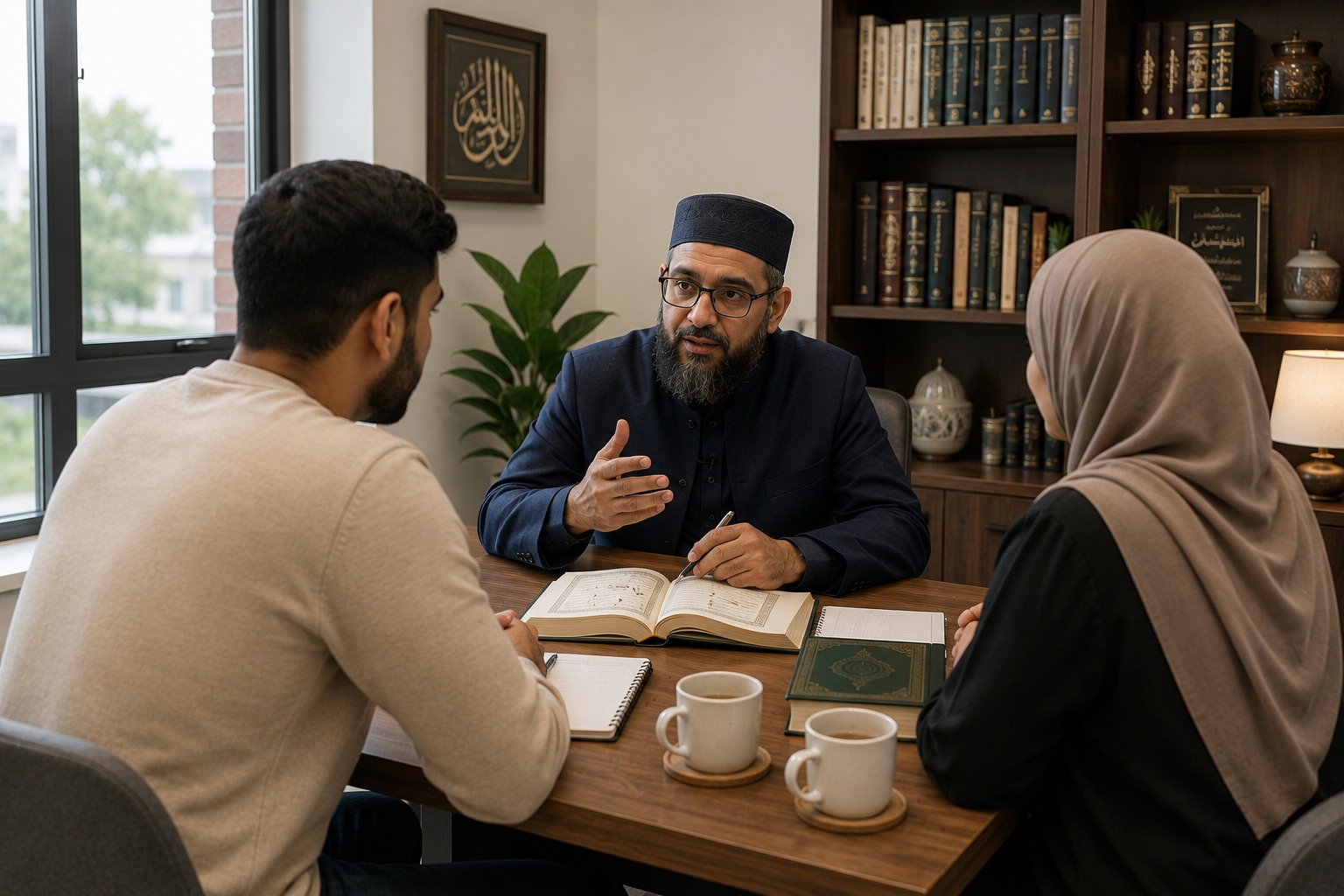
Many people spend months planning their wedding but very little time preparing for married life. Islamic pre-marital counselling helps couples build a strong foundation before the Nikah by understanding each other’s expectations, strengthening their faith, and learning how to face life’s challenges together. Preparing early can prevent many common misunderstandings and create a healthier relationship from the beginning.
Understanding Marriage Before Entering It
Marriage is a lifelong commitment that brings rights, responsibilities, and opportunities for personal growth. Before entering this sacred bond, both individuals should understand what Islam expects from a husband and wife, rather than relying on culture, assumptions, or social media.
The Prophet ﷺ said:
“Each of you is a shepherd, and each of you is responsible for those under his care.”— Sahih al-Bukhari & Sahih Muslim
This Hadith reminds Muslims that marriage carries responsibility. Understanding these responsibilities before Nikah helps couples enter marriage with confidence and a clear sense of purpose.
Building Realistic Expectations
Every person enters marriage with hopes and expectations. Some expect constant happiness, while others assume their spouse will naturally think and behave like them. Unrealistic expectations often lead to disappointment because real marriage requires patience, compromise, and understanding from both partners.
Talking openly about future plans, responsibilities, finances, family relationships, and religious practice helps couples understand each other’s perspectives. Setting realistic expectations before marriage creates trust and reduces the chances of unnecessary conflict later.
Preventing Common Marital Problems
Many marital disagreements begin because important topics were never discussed before marriage. Differences about money, family involvement, household responsibilities, or personal goals can become major challenges when expectations are unclear from the beginning.
While no one can predict every difficulty, preparing together allows couples to identify potential concerns early and discuss practical solutions. Honest conversations before Nikah often prevent small misunderstandings from becoming larger problems after marriage.
Strengthening Communication Before Nikah
Healthy communication is one of the strongest foundations of a successful marriage. Couples who listen carefully, express themselves respectfully, and discuss concerns calmly are better prepared to handle disagreements without damaging their relationship.
Learning how to communicate honestly before marriage also builds emotional safety. Instead of avoiding difficult conversations, couples develop confidence in discussing important matters with kindness, respect, and a willingness to understand each other.
Preparing Emotionally and Spiritually
Marriage is not only a legal or social commitment; it is also an emotional and spiritual journey. Preparing emotionally means developing patience, empathy, forgiveness, and resilience. Preparing spiritually means strengthening your relationship with Allah so that faith remains at the centre of your marriage.
When both spouses strive to improve their character and worship together, they create an environment where love is supported by mercy, gratitude, and sincere devotion to Allah.
Takeaway: Preparing before Nikah builds realistic expectations, stronger communication, and emotional and spiritual readiness, helping to prevent common marital problems.
Essential Things Every Muslim Couple Should Know Before Marriage
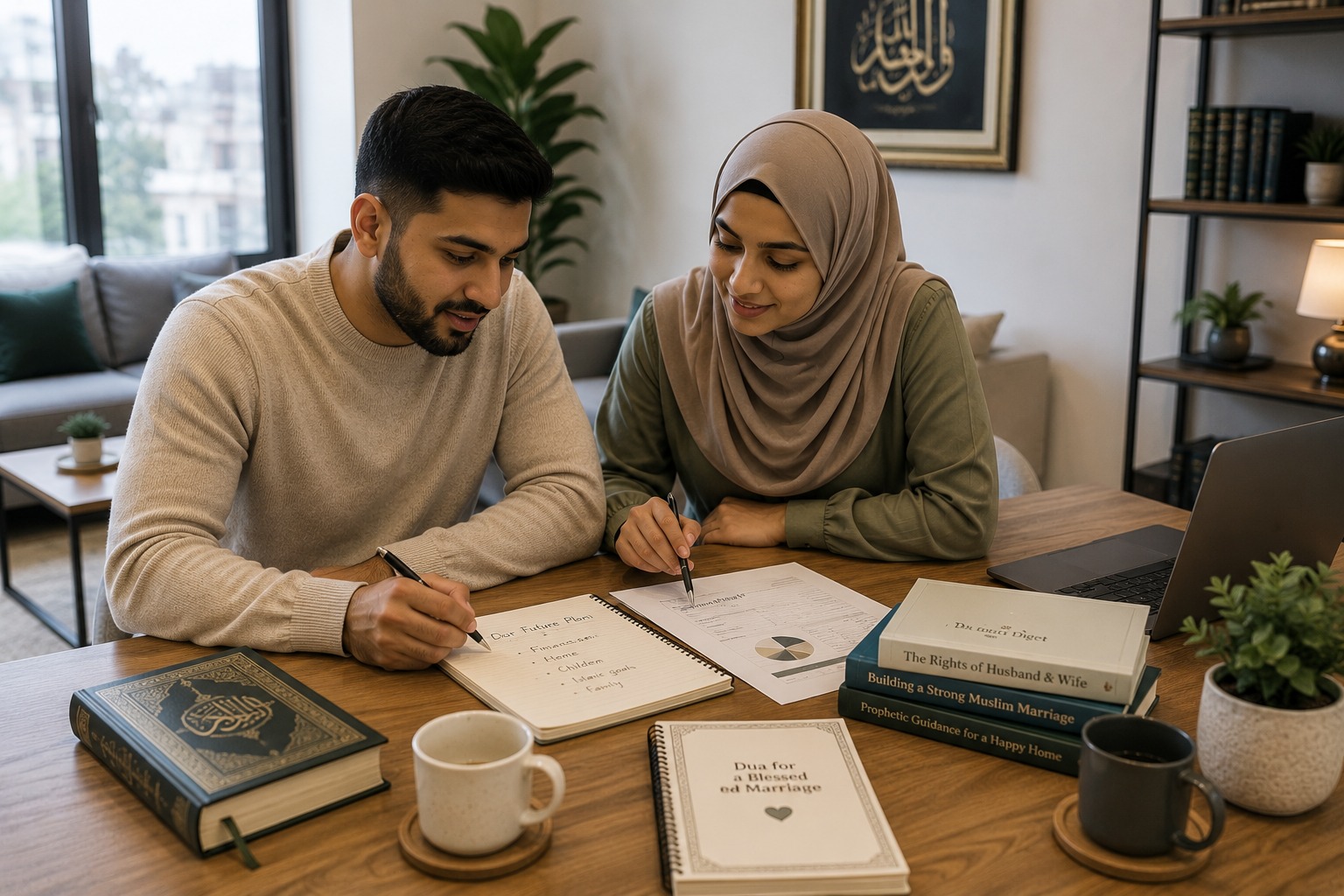
A successful marriage is built on knowledge as much as love. Understanding Islamic teachings before Nikah helps couples make informed decisions, avoid unnecessary conflict, and establish a relationship based on faith, respect, and cooperation.
Choosing the Right Spouse in Islam
Islam encourages Muslims to choose a spouse based on faith, character, and compatibility rather than wealth, appearance, or social status alone. While personal preference is important, lasting marriages are built on shared values and mutual respect.
The Prophet ﷺ said:
“A woman is married for four things... choose the religious one.”— Sahih al-Bukhari & Sahih Muslim
Likewise, both men and women should look for good character, sincerity, and commitment to Islam when considering a lifelong partner.
Setting Marriage Goals and Building a Shared Vision
Every couple should discuss what they hope to achieve together after marriage. Whether it involves practising Islam, raising children, supporting each other’s careers, or serving the community, having shared goals creates unity and direction.
A shared vision also helps couples make future decisions more easily. When both partners understand their priorities, they are more likely to work together rather than against each other during life’s different stages.
Understanding the Rights and Responsibilities of Spouses
Islam gives both husband and wife clearly defined rights and responsibilities that protect dignity, fairness, and mutual respect. Each spouse has obligations towards the other, including kindness, honesty, financial support where required, and maintaining good character.
Understanding these rights before marriage helps prevent misunderstandings and encourages both spouses to fulfil their duties with sincerity. A balanced marriage grows when both partners focus on their own responsibilities rather than only expecting rights from the other.
The Roles of Husband and Wife in Islam
The roles of husband and wife should be understood as complementary rather than competitive. Islam encourages cooperation, consultation, and mutual support, recognising that every family may organise responsibilities according to its circumstances while remaining within Islamic principles.
Successful marriages are built through teamwork. Both spouses contribute to creating a peaceful home, supporting each other’s wellbeing, and nurturing an environment where faith and good character can flourish.
Building Healthy Communication in Marriage
Good communication involves more than talking. It includes listening carefully, speaking respectfully, and expressing concerns without blame or anger. Couples who communicate openly are more likely to solve problems before they become serious.
Respectful conversations also strengthen trust. When both spouses feel heard and understood, they become more comfortable discussing sensitive topics, making decisions together, and supporting each other through life’s challenges.
Resolving Conflict with Wisdom and Respect
Disagreements are a normal part of every marriage. Islam does not expect couples to avoid conflict entirely but teaches them how to handle it with patience, fairness, and self-control.
Avoiding insults, listening carefully, and seeking solutions instead of winning arguments helps protect the relationship. When disagreements are approached with wisdom and respect, they can strengthen understanding rather than weaken the marriage.
Understanding Financial Rights and Responsibilities
Money is one of the most common causes of marital disagreements, making honest financial discussions essential before marriage. Couples should understand Islamic financial responsibilities, personal expectations, spending habits, savings goals, and future financial plans.
Open conversations about finances build transparency and trust. Agreeing on financial priorities before marriage reduces confusion and helps both spouses manage their household with confidence and mutual understanding.
Understanding Mahr and Financial Expectations
Mahr is a mandatory gift from the husband to the wife as part of the Nikah contract. It is her exclusive right and represents respect, commitment, and financial security rather than a payment for marriage.
Couples should discuss the amount, timing, and method of giving the Mahr before Nikah. Clear agreement helps avoid misunderstandings and ensures this important Islamic obligation is fulfilled correctly.
Balancing Career, Education and Married Life
Marriage often brings changes to personal goals and daily responsibilities. Discussing career ambitions, further education, working arrangements, and family priorities before marriage helps both spouses support one another while respecting individual aspirations.
Successful couples recognise that circumstances may change over time. Flexibility, consultation, and mutual encouragement allow both partners to grow without neglecting their responsibilities towards the marriage.
Choosing the Right Living Arrangements
Where a couple lives after marriage can significantly affect family relationships and personal wellbeing. Discussing living arrangements before Nikah helps both individuals understand each other’s expectations and make practical decisions together.
Whether living independently or with extended family, the decision should promote peace, privacy, and stability. Open discussion allows couples to consider financial circumstances while protecting the rights and wellbeing of both spouses.
Building Healthy Relationships with In-Laws
Islam encourages kindness, respect, and maintaining family ties. Building positive relationships with in-laws strengthens family unity while creating a welcoming environment for both husband and wife.
Healthy relationships also require appropriate boundaries. Respecting parents and relatives should never result in unfair treatment or neglect of a spouse’s rights, and maintaining this balance is essential for a harmonious marriage.
Managing Family Expectations
Families often have different cultural traditions, opinions, and expectations regarding married life. While family advice can be valuable, major decisions should ultimately be made by the couple through mutual consultation and Islamic guidance.
Discussing family expectations before marriage helps prevent misunderstandings. Couples who establish healthy boundaries respectfully are better prepared to manage external pressures while protecting their relationship.
Respecting Personal Boundaries in Marriage
Marriage brings two lives together, but it does not remove the need for personal space, privacy, and individual dignity. Respecting healthy boundaries encourages trust and allows both spouses to feel valued and understood.
Boundaries should be discussed openly before marriage. Agreeing on privacy, friendships, family involvement, and personal time helps reduce conflict and strengthens mutual respect throughout the relationship.
Supporting Each Other’s Emotional Wellbeing
Every person experiences stress, sadness, and personal challenges at different stages of life. A caring spouse provides encouragement, patience, and emotional support rather than criticism or judgement during difficult times.
Emotional wellbeing grows when both partners feel safe expressing their thoughts and feelings. Small acts of kindness, appreciation, and understanding often strengthen a marriage more than grand gestures.
Understanding Intimacy and Privacy in Islam
Physical intimacy is an important part of marriage and is recognised in Islam as a means of strengthening love, affection, and companionship between spouses. It should always be approached with mutual respect, kindness, and consideration for each other’s rights.
Islam also places great importance on privacy within marriage. Personal matters between husband and wife should remain confidential, helping to preserve trust, dignity, and the special bond they share.
Preparing for Parenthood and Raising Children
Not every couple will have children immediately, but discussing parenting before marriage helps establish shared expectations. Conversations about education, Islamic upbringing, discipline, and family values provide clarity for the future.
Parents have a significant role in shaping a child’s character and faith. Preparing early encourages cooperation and creates a stable environment where children can grow with love, guidance, and strong Islamic values.
Strengthening Your Marriage Through Faith
The strongest marriages are built upon a shared commitment to Allah. Praying together, remembering Allah, reading the Qur’an, and encouraging one another in good deeds strengthen both the relationship and individual faith.
Allah says:
“Help one another in righteousness and piety.”— Surah Al-Ma’idah 5:2
When faith becomes the centre of married life, couples are better equipped to face challenges with patience, gratitude, and hope.
Takeaway: Knowing your rights, responsibilities, and boundaries before Nikah — from Mahr and finances to in-laws and intimacy — helps couples build a marriage on faith, respect, and cooperation.
Red Flags Every Couple Should Discuss Before Marriage
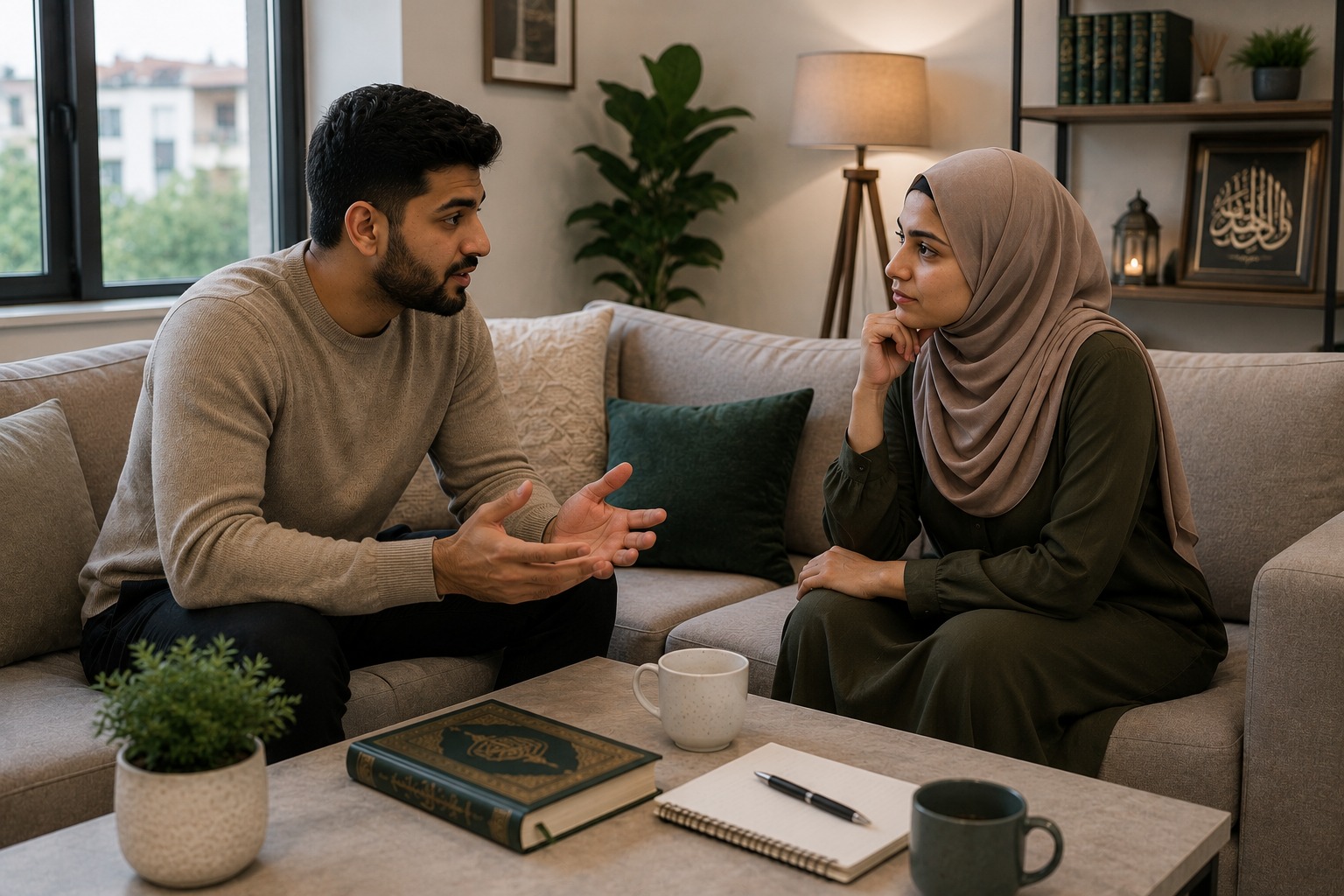
Every marriage faces challenges, but some issues deserve careful attention before making a lifelong commitment. Discussing potential red flags honestly allows couples to understand each other’s values, expectations, and readiness for marriage. Recognising concerns early is not about creating fear — it is about making informed decisions guided by wisdom and Islamic principles.
Differences in Religious Practice
Faith is the foundation of an Islamic marriage. If one person is committed to practising Islam while the other is not, disagreements may arise over Salah, fasting, Islamic education, raising children, or lifestyle choices. These differences should be discussed openly before Nikah.
A couple does not have to be identical in every aspect of religious practice, but they should share a sincere commitment to growing together in faith. Supporting each other’s relationship with Allah strengthens both the marriage and the family.
Financial Behaviour and Spending Habits
Money is not only about income; it also reflects priorities, habits, and responsibility. Couples should discuss spending patterns, saving goals, debt, charitable giving, and future financial plans before marriage to avoid confusion later.
Honest financial conversations build trust from the beginning. When both spouses understand each other’s expectations and agree on financial responsibilities, they are better prepared to manage their household with confidence and cooperation.
Controlling or Unhealthy Behaviour
A healthy marriage is built on mutual respect, not control. If one person constantly manipulates, intimidates, isolates, or attempts to control the other’s choices, friendships, or family relationships, these behaviours should never be ignored.
The Prophet ﷺ was known for his kindness, patience, and gentle character towards his family. Any behaviour that contradicts these Islamic values deserves careful reflection and should be addressed before marriage.
Family Interference
Family support is a blessing, but excessive interference can create unnecessary pressure within a marriage. Couples should discuss how decisions will be made, how family advice will be handled, and how healthy boundaries will be maintained after Nikah.
Respecting parents remains an important Islamic duty, but marriage also establishes a new family unit. Balancing these responsibilities wisely helps protect relationships on all sides.
Unrealistic Expectations
Some people enter marriage believing their spouse will meet every emotional need or that married life will always be free from disagreements. These expectations often lead to disappointment because every relationship requires patience, compromise, and continuous effort.
Discussing expectations honestly before marriage helps both partners understand reality. Marriage is strengthened by shared commitment, not by unrealistic perfection.
Lack of Trust
Trust forms the foundation of every successful marriage. Without honesty and transparency, even small misunderstandings can grow into larger problems over time. Couples should feel comfortable discussing concerns openly before making a lifelong commitment.
Trust develops through truthful communication, consistent actions, and respect for one another. Building this foundation before Nikah creates greater confidence and emotional security within the relationship.
Different Life Goals
Marriage becomes more fulfilling when both spouses share a similar direction in life. Important topics such as where to live, career ambitions, children, Islamic education, and long-term aspirations should be discussed before marriage.
Differences do not always prevent a successful marriage, but ignoring them often creates future conflict. Understanding each other’s goals allows couples to make thoughtful decisions together.
Takeaway: Discussing red flags such as religious differences, controlling behaviour, financial habits, and mismatched life goals before Nikah protects both spouses from avoidable heartache later.
Common Mistakes Couples Make Before Marriage
Many marital challenges begin long before the wedding day. Some mistakes happen because couples avoid important conversations, while others result from rushing decisions or relying on assumptions. Recognising these common mistakes early helps couples prepare for marriage with greater confidence and understanding.
Ignoring Red Flags
It can be tempting to overlook concerning behaviour because of strong emotions or family pressure. However, issues that seem small before marriage often become more noticeable afterwards if they are never addressed.
Islam encourages wisdom and careful judgement when making important decisions. Taking concerns seriously before Nikah allows couples to resolve problems or reconsider their decision where necessary.
Assuming Love Alone Is Enough
Love is an important part of marriage, but it is not enough on its own to sustain a lifelong relationship. Marriage also requires patience, trust, communication, shared values, forgiveness, and commitment through both easy and difficult times.
The Qur’an describes marriage as being founded upon affection and mercy. These qualities continue to grow when both spouses actively support one another and fulfil their responsibilities.
Avoiding Difficult Conversations
Some couples avoid discussing sensitive topics because they fear disagreement or believe everything will naturally work out after marriage. Unfortunately, unanswered questions often become future sources of conflict.
Discussing finances, children, family expectations, careers, and personal values before marriage allows both partners to understand each other clearly and begin married life with greater confidence.
Poor Financial Planning
Financial uncertainty can place unnecessary pressure on a marriage. Couples who never discuss budgeting, household expenses, savings, or future financial goals may face avoidable misunderstandings after Nikah.
Planning together does not require great wealth. It requires honesty, realistic expectations, and a willingness to manage finances responsibly according to Islamic principles.
Lack of Islamic Knowledge
A strong marriage depends upon understanding the guidance Allah has provided for family life. Without this knowledge, couples may unintentionally rely on cultural traditions, personal opinions, or inaccurate information instead of authentic Islamic teachings.
Learning about marriage before Nikah helps both spouses fulfil their rights and responsibilities with confidence. Seeking beneficial knowledge is an investment that benefits the marriage throughout life.
Rushing into Marriage
Marriage should never be based solely on emotion or external pressure. Taking time to understand compatibility, discuss important matters, seek Istikharah, and consult trusted scholars or family members often leads to wiser decisions.
The Prophet ﷺ encouraged careful consideration when choosing a spouse. A thoughtful decision made with sincerity and prayer provides a stronger foundation than one made in haste.
Takeaway: Ignoring red flags, rushing decisions, and avoiding difficult conversations are common mistakes that pre-marital counselling helps couples recognise and avoid.
Arrange Your Islamic Pre-Marital Counselling
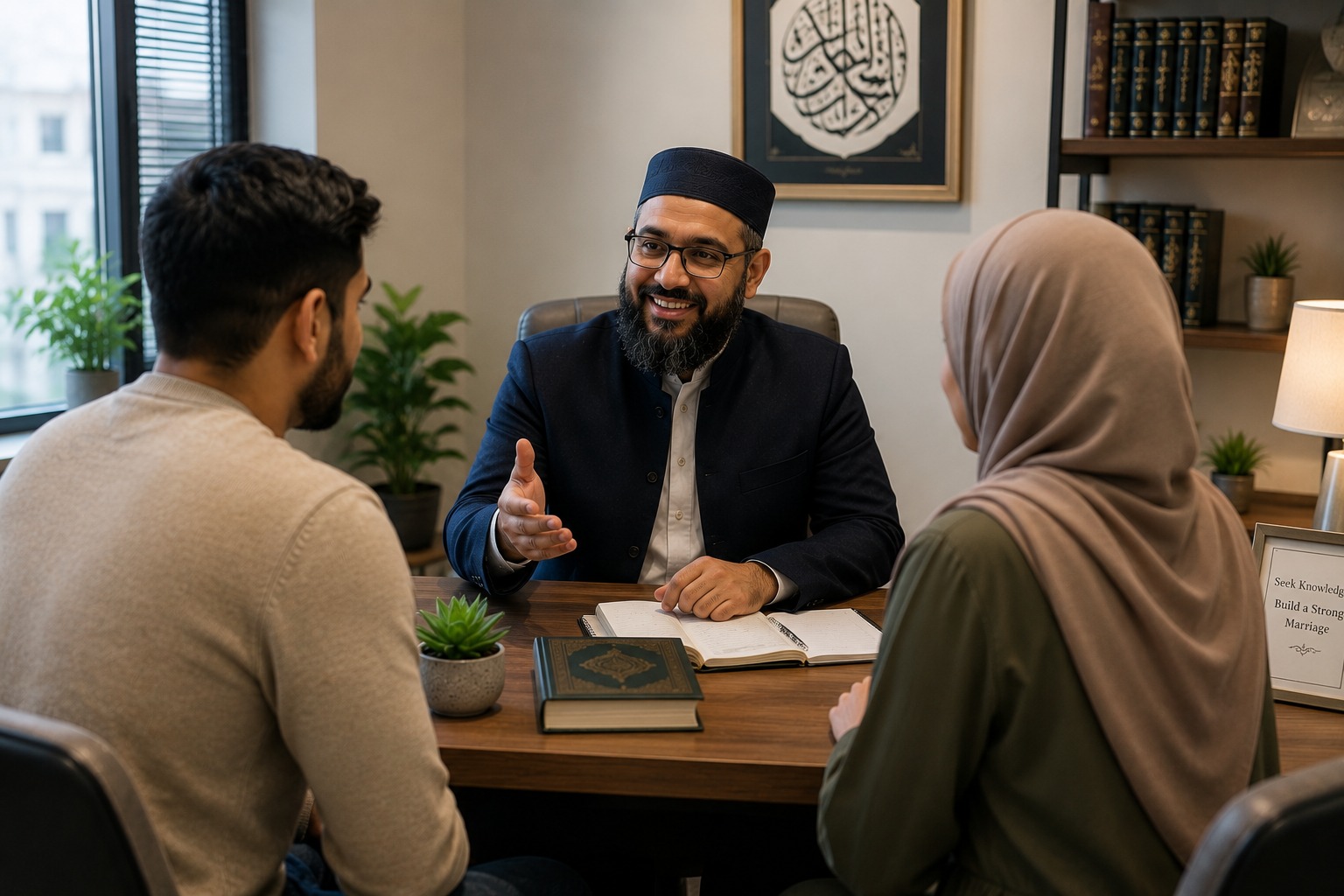
If you are preparing for your Nikah, arranging pre-marital counselling well in advance gives you and your partner time to discuss important matters, resolve concerns, and build a shared understanding rooted in the Qur’an and Sunnah. Speaking with a qualified scholar can help you approach marriage with clarity, confidence, and sincerity.
Related Islamic Marriage Services
Islamic marriage preparation may also include:
Frequently Asked Questions
Is Pre-Marital Counselling Encouraged in Islam?
Yes. Although Islamic pre-marital counselling is not an obligation, Islam encourages Muslims to seek beneficial knowledge before making important life decisions. Marriage is a lifelong commitment, and preparing for it through learning, consultation, and honest discussion reflects wisdom and responsibility.
When Is the Best Time to Have Pre-Marital Counselling?
The ideal time is before your Nikah, once both individuals are seriously considering marriage or have become engaged. Early preparation gives couples enough time to discuss important topics, resolve concerns, and make informed decisions without feeling rushed.
Can Pre-Marital Counselling Help Prevent Marital Problems?
Pre-marital counselling cannot guarantee a problem-free marriage, but it can reduce the likelihood of many avoidable misunderstandings. By discussing expectations, communication, finances, family relationships, and Islamic responsibilities before marriage, couples are often better prepared to deal with challenges in a healthy way.
What Are the Most Important Topics Couples Should Discuss Before Marriage?
Every couple should openly discuss their religious values, communication styles, financial responsibilities, career goals, family expectations, children, living arrangements, personal boundaries, and long-term life plans. Honest conversations before marriage help both partners understand each other and build a stronger foundation for their future together.
Is Pre-Marital Counselling Beneficial for Arranged Marriages?
Yes. Whether a marriage is arranged or based on personal choice, both individuals benefit from understanding each other’s expectations, values, and responsibilities before Nikah. Pre-marital counselling encourages meaningful discussions that help couples begin married life with greater clarity and confidence.
Can Islamic Pre-Marital Counselling Help Couples from Different Cultural Backgrounds?
Yes. Cultural differences do not prevent a successful marriage when both spouses communicate openly and understand each other’s traditions with mutual respect. Islamic guidance helps couples distinguish between cultural practices and authentic Islamic teachings while building a relationship centred on shared faith and understanding.
What Should Couples Do After Completing Pre-Marital Counselling?
Learning should continue after the counselling process ends. Couples should regularly communicate, review their shared goals, continue seeking Islamic knowledge, and support one another in strengthening their faith. A successful marriage grows through continuous effort, patience, and sincere commitment from both spouses.